


Wildlife
Wild Southern Solitude
The southern parks, which hold a fraction of the northern circuit's vehicles across a far larger area. Fly in, stay put, and accept that the wildlife is harder to find and better to watch.
About this journey
Nyerere and Ruaha, which between them hold a fraction of the northern circuit's vehicles across a far larger area. The wildlife is harder to find and better to watch, and you will go hours without seeing another car.
Best months. June to October. Several southern camps close altogether from March to May, and the boat safaris depend on the river level rather than the calendar.
Pace. Moderate. Boat, vehicle and some walking, all optional.
Who this journey suits
You have done the northern circuit, or you have seen enough photographs of it.
Solitude matters more to you than a guaranteed leopard.
You are happy to fly in — by road these parks are a full day each from Dar es Salaam.
You want a boat safari and a walking safari in the same trip.
Highlights
- Boat safari on the Rufiji in Nyerere, which no northern park can offer
- Ruaha's baobab country, and one of the larger remaining African wild dog populations
- Walking safaris with an armed ranger, which the northern parks largely do not permit
- Two camps, five nights, no single-night stops
- Roughly one vehicle for every forty square kilometres, against the crater's density
Route
| Stop | Nights | Why |
|---|---|---|
| Nyerere (Rufiji) | 2 nights | River, channels, hippo, and the boat safari. |
| Ruaha | 3 nights | Baobabs, big elephant herds, wild dog, and almost nobody else. |
How the journey flows
Every point below is a real place at its real coordinates. The coastline is simplified — this is a route diagram, not a survey map.
- Light aircraft
Boundaries and protected areas are OpenStreetMap data, stored with this site. The dashed line is the order of the route, not the road taken.
In order
- Dar es Salaam (DAR)Arrive
- Nyerere (Rufiji)Light aircraft
- RuahaLight aircraft
- Dar es Salaam (DAR)Light aircraft
Flights and bush aviation
If you have not flown in a twelve-seat aircraft off a grass strip before, this is the part worth reading twice.
| Sector | In the air | Aircraft | Note |
|---|---|---|---|
| Dar es Salaam (DAR) → Nyerere / Rufiji | about 45 min | Light aircraft | Also flies from Zanzibar if you are coming off the coast. |
| Nyerere → Ruaha | about 2 h with a stop | Light aircraft | Over country with effectively no roads. |
| Ruaha → Dar es Salaam (DAR) | about 2 h | Light aircraft | — |
What to expect either end
| Luggage | One soft bag of about 15 kg (33 lb) plus a small day bag on bush sectors. Soft is a requirement, not a preference — the baggage compartments are shaped, not boxes, and a hard case will not go in. The allowance is set by the operating carrier and we verify it for your sectors before you pack. Subject to confirmation. |
|---|---|
| Where a hard case goes | Into store in Arusha, Dar es Salaam or Zanzibar, and back to you at the end. Routine and included. |
| Boarding | A short ladder or a step onto the wing. Assistance is routine and manual: no aisle chair, no ambulift, no jet bridge. A powered wheelchair needs a separate conversation about weight, battery type and cargo-door size. |
| Delays and weather | Normal, especially in the rains. We never connect a bush strip to a same-day international departure, and nor should anybody else. |
| Weights | Operators ask for each passenger's weight before the flight. It is a load sheet calculation, not an indignity, and it is not optional. |
| The operator | Flights are flown by carriers licensed by the Tanzania Civil Aviation Authority. We have no contracted carrier yet, so no operator is named on this site. The operator for your sectors is named in your written proposal, before you pay. |
No airline is named on this site. Several carriers fly these routes under Tanzania Civil Aviation Authority licences, and we have no contracted relationship with any of them yet. Naming one here would imply a partnership that does not exist. The operator for your sectors is named in your written proposal, before you pay anything. (subject to confirmation)
Day by day
A starting point. Every day here can be moved, shortened or removed — open one to read what it holds.
-
Day1 Fly to the Rufiji WhereNyerere OvernightTented camp on the river Meals LD
A scheduled light aircraft from Dar es Salaam, about 45 minutes, or from Zanzibar if you are coming off the coast. Afternoon on the water as the light goes.
Where you would sleep this night
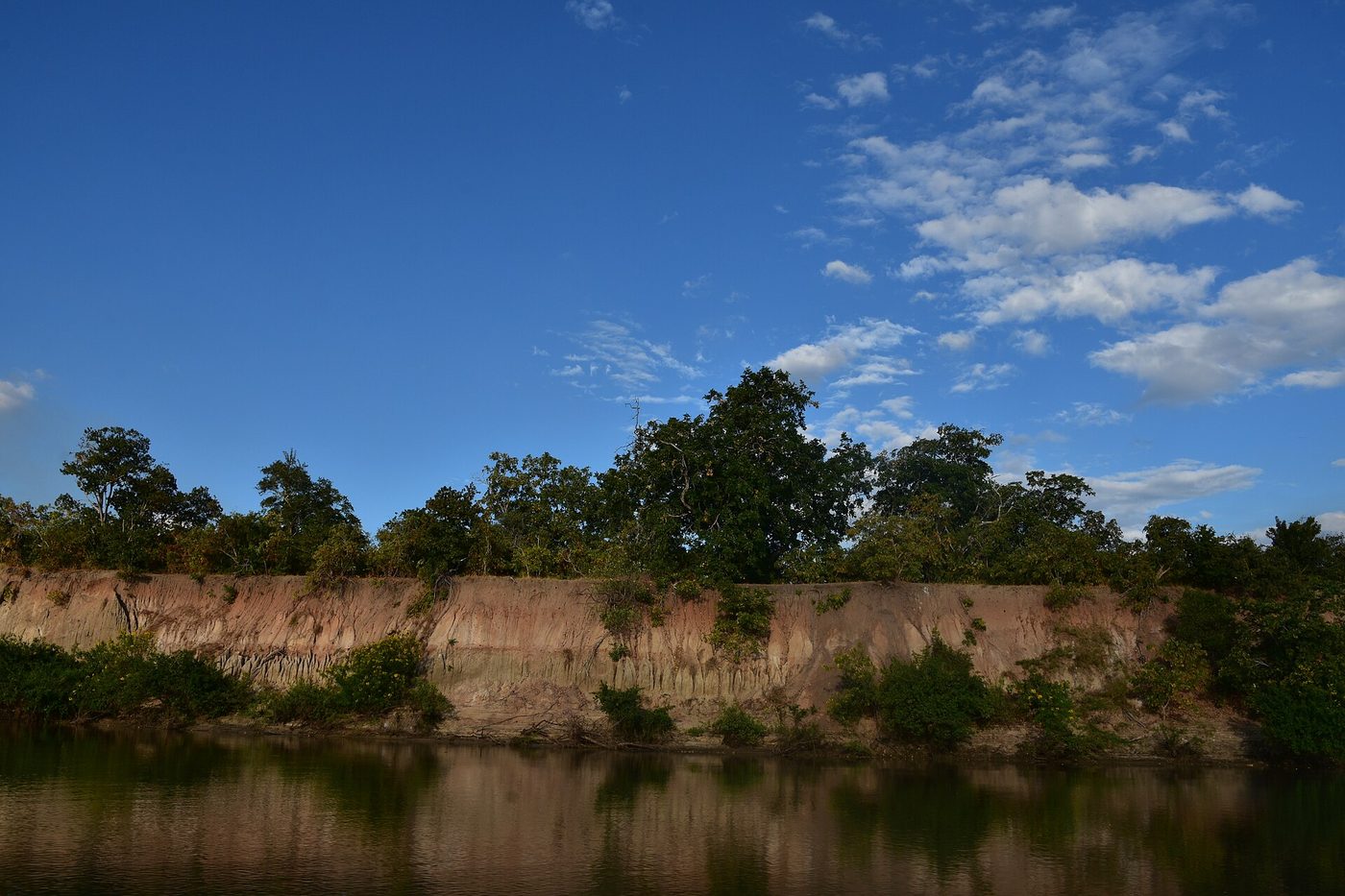
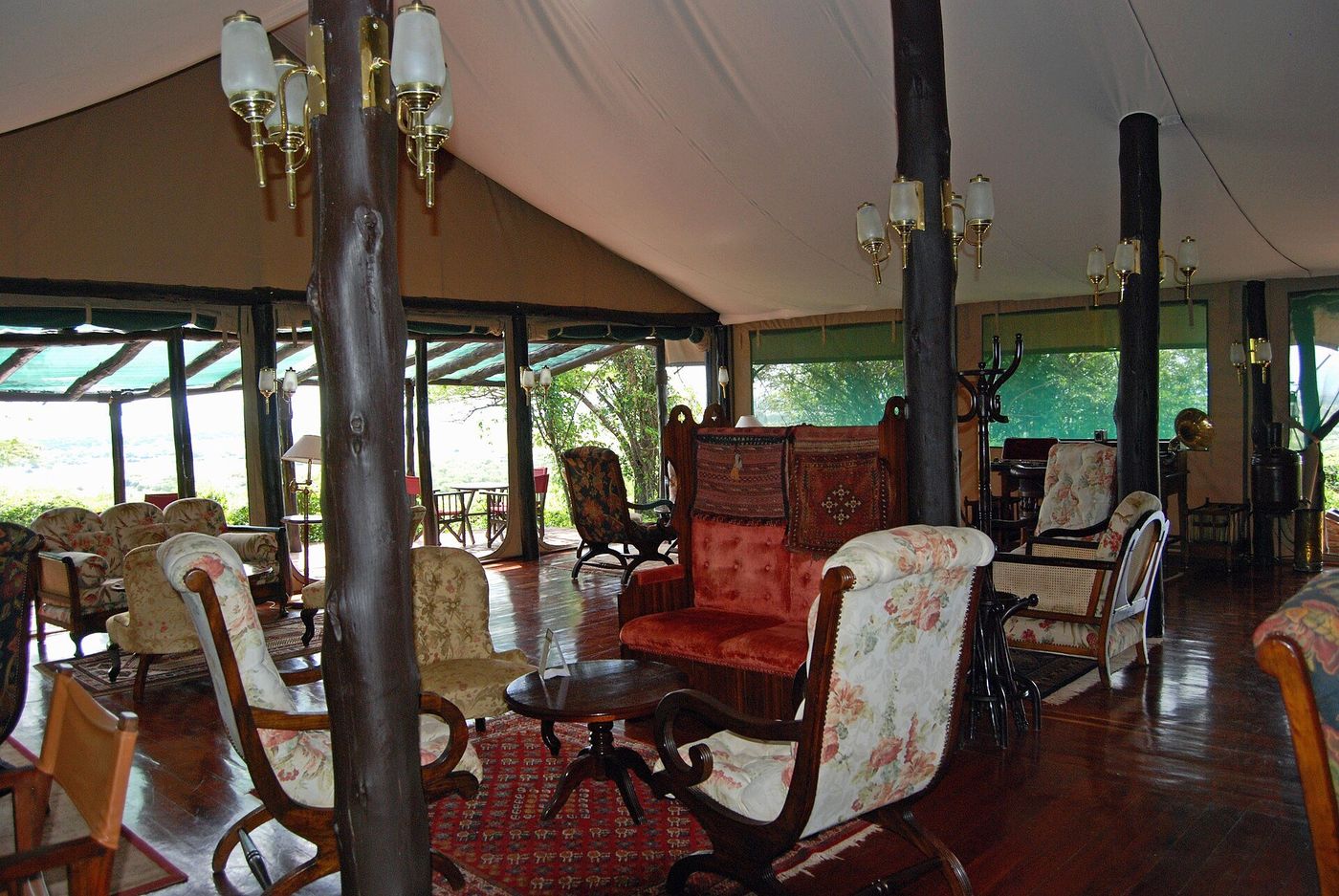
Described by standard, not by name: we do not name a property we have no agreement with. Your written proposal names the actual place, and the photographs here are examples of the standard rather than pictures of it. Power, water, wifi and access for each standard.
-
Day2 River and channels WhereNyerere OvernightTented camp on the river Meals BLD
A boat morning through the channels and lakes — hippo, crocodile, fish eagles, and elephants coming down to drink at eye level, which a vehicle cannot give you. Vehicle drive in the afternoon, or a walk if the ground is dry.
Where you would sleep this night
Described by standard, not by name: we do not name a property we have no agreement with. Your written proposal names the actual place, and the photographs here are examples of the standard rather than pictures of it. Power, water, wifi and access for each standard.
-
Day3 West to Ruaha WhereRuaha OvernightTented camp Meals BLD
A light-aircraft hop of about two hours with a stop, over country with no roads in it. Afternoon drive from camp along the sand river.
Where you would sleep this night
Described by standard, not by name: we do not name a property we have no agreement with. Your written proposal names the actual place, and the photographs here are examples of the standard rather than pictures of it. Power, water, wifi and access for each standard.
-
Day4 Ruaha, all day WhereRuaha OvernightTented camp Meals BLD
A full day. Ruaha rewards patience rather than mileage: a morning sitting at one waterhole in the dry season will usually show you more than four hours of driving.
Where you would sleep this night
Described by standard, not by name: we do not name a property we have no agreement with. Your written proposal names the actual place, and the photographs here are examples of the standard rather than pictures of it. Power, water, wifi and access for each standard.
-
Day5 Walking and the sand river WhereRuaha OvernightTented camp Meals BLD
A walking safari at first light with an armed ranger, which is a different activity from a game drive and not a lesser one. Afternoon drive, or a second walk.
Where you would sleep this night
Described by standard, not by name: we do not name a property we have no agreement with. Your written proposal names the actual place, and the photographs here are examples of the standard rather than pictures of it. Power, water, wifi and access for each standard.
-
Day6 Home WhereRuaha → Dar es Salaam Overnight— Meals B
Light aircraft back to Dar es Salaam, about two hours. Connect onward the same day, but not to a tight international departure.


The places this journey goes
One photograph for each place on the route, in the order you reach them.
These are licensed photographs of the places themselves, credited on our photography credits page. They are not photographs of a Montero departure, vehicle or camp — we have not run this journey yet, and a gallery that implied otherwise would be worth nothing to you.
Where you would stay
Open any of these for rooms, power hours, hot water, Wi-Fi and the honest access position.
What it costs
Indicative $7,800 – $12,000 per person sharing, by season and camp standard. No price on this site has been approved, and nothing here is a quotation.
| Season | 1 | 2 | 3–4 | 5–6 | 7+ |
|---|---|---|---|---|---|
| PeakJuly – October, 20 Dec – 3 Jan | On request | On request | On request | On request | On request |
| ShoulderJanuary – February, June | On request | $7,800indicative | On request | On request | On request |
| GreenMarch – May, November | On request | On request | On request | On request | On request |
Per person sharing, US dollars, two people unless stated. Excludes international flights. A single traveller pays more and a larger group pays less per head — we will tell you how much before you ask twice. No figure here has been approved: see what it costs.
What moves the price: season, how many of you there are, whether you fly or drive the long sectors, and the standard of camp. A single traveller pays more; we will say how much before you ask twice.
Access and comfort
Each line is either confirmed by our own measurement or it is not. “On request” means we will plan and cost it and nobody has measured it yet.
| Provision | Status | Detail |
|---|---|---|
| Vehicle adaptation | On request | A hoist-fitted vehicle is not currently based in the southern parks. Getting one there is possible and expensive; we would price it honestly. |
| Step-free camps | Not offered | We know of none in either park that we could confirm. We will not guess. |
| Boat boarding | Partial | A step down from a bank or a jetty, varying with the river level. Assistance is routine; nothing is measured. |
| Walking safari | Partial | Individually assessed. The ground is uneven, sandy in places and not level anywhere. |
| Light-aircraft boarding | Partial | Small aircraft, a ladder or wing step. A powered chair needs a separate conversation. |
We do not ask for a diagnosis — only for what you need. How we plan accessible journeys.
The detail
What is covered, what it involves on the ground, and the changes people most often ask for. Open whichever you need.
What is included, and what is not
Included
Private 4×4 safari vehicle with a pop-up roof and a professional English-speaking driver-guide, for your party alone
Accommodation as described, on a full-board basis
All park, conservation and concession fees
Airport and airstrip transfers, met at the aircraft rather than at the kerb
Bottled drinking water in the vehicle
24-hour local support while you are in the country
Boat safari in Nyerere, subject to river level
Walking safari in Ruaha with an armed ranger
All light-aircraft sectors as described
Not included
Flights from Arusha or Kilimanjaro, if you are combining with the northern circuit
International flights, visas and travel insurance
Tips, premium drinks and personal expenses
Optional activities such as a balloon flight, unless listed above
Emergency medical evacuation cover — strongly recommended, and not something we currently provide
Practical detail
| Remoteness | The nearest hospital to a Ruaha camp is in Iringa, several hours away. Evacuation cover is not optional on this journey in practice, and we do not provide it — arrange it. |
|---|---|
| Boat safaris | Subject to the river level. In a poor year the channels are too shallow by October. We will tell you before you pay, not on the day. |
| Camp closures | Many southern camps close from about March to May. If your dates fall there we will say what is actually open. |
| Light-aircraft luggage | One soft bag of about 15 kg. |
| Tsetse flies | Present in both parks, worse in Nyerere. They bite through thin fabric. Wear thicker cotton and avoid dark blue. |
Ways to personalise this journey
The changes people actually ask for, with what each one does to the shape of the trip. Prices for these are quoted in your proposal, not here.
This itinerary is a draft. It is written to real logistics but has not yet been checked by a guide who works this circuit, and no price here has been approved. Treat every figure as indicative until we confirm it in writing.
Questions about this journey
Is the southern circuit better than the northern?
Different, not better. The south is emptier, wilder and harder work; the north has higher wildlife density, better infrastructure and far more vehicles. Most people are happier with the north first.
Will we see wild dogs?
Ruaha holds one of the larger remaining populations in Africa, and plenty of people spend a week there without seeing one. Anybody who promises you wild dogs is guessing.
Can we drive instead of flying?
You can. Dar es Salaam to Nyerere is five to seven hours depending on the road, and Dar to Ruaha is a full day or more. On a six-day trip that is most of the trip.
Is it safe to walk in the bush?
Walking safaris are led by an armed ranger and run to strict park rules on group size and distance. The risk is real and managed. If you would rather not, nothing on this journey requires it.
If this one is not quite it
Journeys that share a region or a style with this one, and the background reading for the places on the route.

Tell us what you have in mind.
One conversation with the person who would plan it, and an honest answer about whether we are the right company for the trip.
Free, and with no obligation. A real planner replies within 24 business hours, East Africa Time. No payment is taken to enquire.