


Photography
Professional Photographic Safari Circuit
Built around light rather than around a checklist. Modified vehicles with drop-down sides and beanbag mounts, guides who position for the sun instead of for the sighting, and the patience to sit for two hours.
About this journey
Nine days built around light rather than around a checklist. Modified vehicles with drop-down sides and beanbag mounts, guides who position for the sun instead of for the sighting, and the patience to sit for two hours.
Best months. January to March for the calving plains and short grass; June to October for dry ground and concentrated game. We will steer you by what you want to shoot.
Pace. Gentle physically, demanding in hours. Pre-dawn starts most days.
Who this journey suits
You shoot seriously, whether or not anybody pays you for it.
You would rather have one good light session than four sightings.
You can be out before dawn for nine consecutive days.
You want a guide who understands why you are asking to reverse.
Highlights
- A modified vehicle: drop-down sides, no shared roof hatch, beanbags and gimbal mounts
- A driver-guide briefed on light, animal behaviour and vehicle positioning
- Ndutu's short grass, where off-road driving is permitted and backgrounds are clean
- Low-angle work from the drop-down side, which changes every photograph
- A balloon flight for aerials, and unlimited time at a sighting
Route
| Stop | Nights | Why |
|---|---|---|
| Tarangire | 2 nights | Baobabs, elephants and dust in the late light. |
| Ndutu / southern plains | 3 nights | Short grass, clean backgrounds, off-road. |
| Serengeti | 2 nights | Cats, kopjes and the river lines. |
| Ngorongoro | 1 night | Rim, and the floor at first light. |
How the journey flows
Every point below is a real place at its real coordinates. The coastline is simplified — this is a route diagram, not a survey map.
- Private 4×4
Boundaries and protected areas are OpenStreetMap data, stored with this site. The dashed line is the order of the route, not the road taken.
In order
- Kilimanjaro Airport (JRO)Arrive
- ArushaPrivate 4×4
- TarangirePrivate 4×4
- NdutuPrivate 4×4
- SerengetiPrivate 4×4
- Ngorongoro CraterPrivate 4×4
- Kilimanjaro Airport (JRO)Private 4×4
Day by day
A starting point. Every day here can be moved, shortened or removed — open one to read what it holds.
-
Day1 Arrive and brief WhereArusha OvernightLodge near the airport Meals D
Met at Kilimanjaro. The evening is a proper briefing: what you shoot, what you own, what you want out of the nine days, and how you and the guide will communicate in a vehicle at six in the morning.
Where you would sleep this night
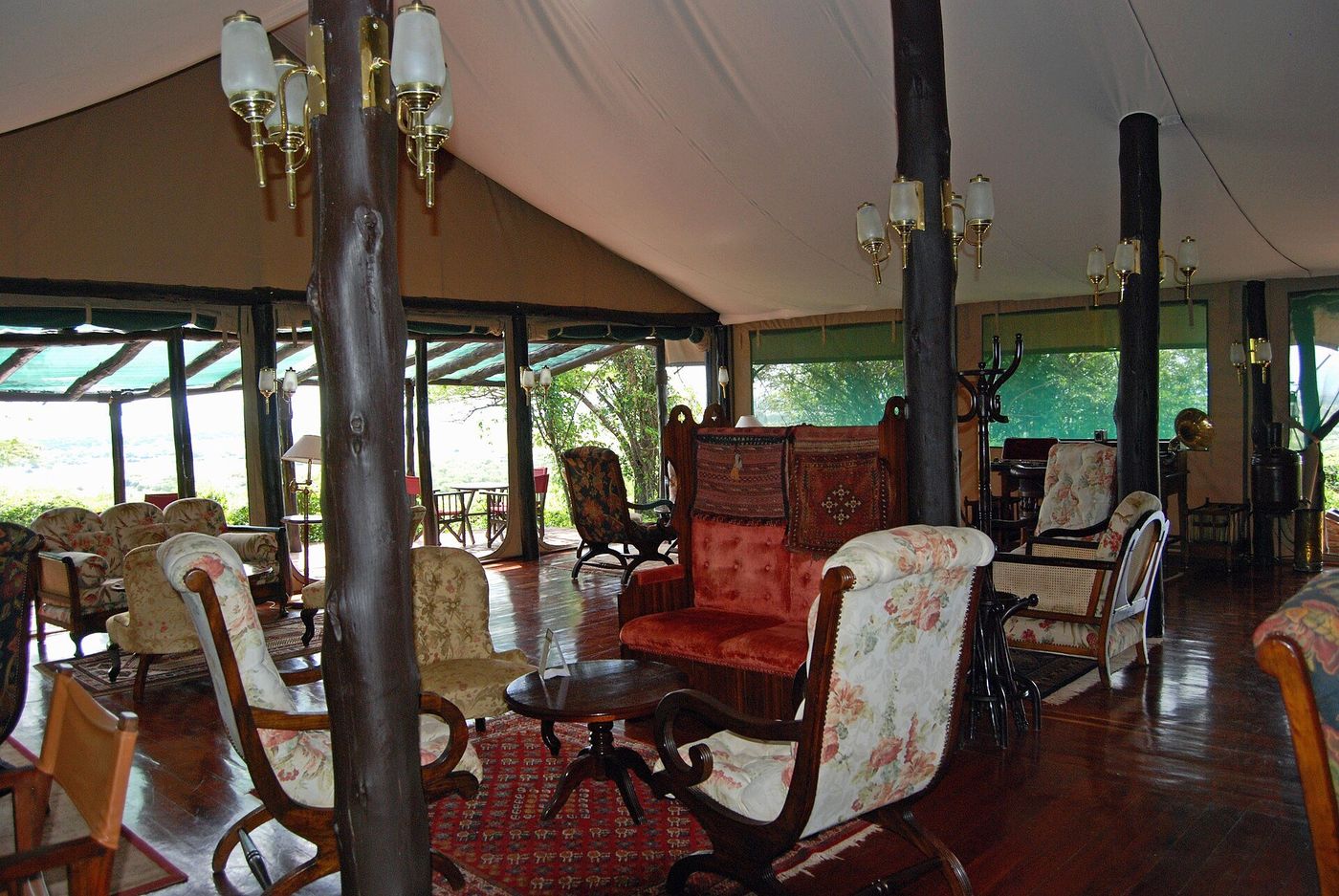
Described by standard, not by name: we do not name a property we have no agreement with. Your written proposal names the actual place, and the photographs here are examples of the standard rather than pictures of it. Power, water, wifi and access for each standard.
- No photograph on fileLodgeTwin, double and family rooms. Ground-floor rooms available at most.
-
Day2 South to Tarangire WhereTarangire OvernightTented camp Meals BLD
In the park by late morning. Afternoon along the river for elephants in dust and backlight, which is what Tarangire does better than anywhere.
Where you would sleep this night
Described by standard, not by name: we do not name a property we have no agreement with. Your written proposal names the actual place, and the photographs here are examples of the standard rather than pictures of it. Power, water, wifi and access for each standard.
- No photograph on fileLodgeTwin, double and family rooms. Ground-floor rooms available at most.
-
Day3 Tarangire, all day WhereTarangire OvernightTented camp Meals BLD
Out before light, back when it goes hard, out again at three. Baobabs at both ends of the day.
Where you would sleep this night
Described by standard, not by name: we do not name a property we have no agreement with. Your written proposal names the actual place, and the photographs here are examples of the standard rather than pictures of it. Power, water, wifi and access for each standard.
- No photograph on fileLodgeTwin, double and family rooms. Ground-floor rooms available at most.
-
Day4 West to Ndutu WhereNdutu OvernightSeasonal or permanent camp Meals BLD
A long transfer, broken by the Ngorongoro highlands and Olduvai. Afternoon on the short grass.
Where you would sleep this night
Described by standard, not by name: we do not name a property we have no agreement with. Your written proposal names the actual place, and the photographs here are examples of the standard rather than pictures of it. Power, water, wifi and access for each standard.
- No photograph on fileLodgeTwin, double and family rooms. Ground-floor rooms available at most.
-
Day5 Ndutu, all day WhereNdutu OvernightSeasonal or permanent camp Meals BLD
Off-road tracking is permitted here, which means you can position the vehicle for the light rather than take the angle the track gives you. This is the single biggest difference on the whole journey.
Where you would sleep this night
Described by standard, not by name: we do not name a property we have no agreement with. Your written proposal names the actual place, and the photographs here are examples of the standard rather than pictures of it. Power, water, wifi and access for each standard.
- No photograph on fileLodgeTwin, double and family rooms. Ground-floor rooms available at most.
-
Day6 Ndutu, all day WhereNdutu OvernightSeasonal or permanent camp Meals BLD
A second full day. Cheetah on the short grass, and in calving season, everything that follows the herds.
Where you would sleep this night
Described by standard, not by name: we do not name a property we have no agreement with. Your written proposal names the actual place, and the photographs here are examples of the standard rather than pictures of it. Power, water, wifi and access for each standard.
- No photograph on fileLodgeTwin, double and family rooms. Ground-floor rooms available at most.
-
Day7 North into the Serengeti WhereSerengeti OvernightTented camp Meals BLD
A game drive that ends somewhere else. Kopjes, lion, and the balloon tomorrow if you have booked it.
Where you would sleep this night
Described by standard, not by name: we do not name a property we have no agreement with. Your written proposal names the actual place, and the photographs here are examples of the standard rather than pictures of it. Power, water, wifi and access for each standard.
- No photograph on fileLodgeTwin, double and family rooms. Ground-floor rooms available at most.
-
Day8 Serengeti, and the balloon WhereSerengeti OvernightTented camp Meals BLD
Aerials at dawn, then a full day. Late afternoon is usually the best light of the trip here.
Where you would sleep this night
Described by standard, not by name: we do not name a property we have no agreement with. Your written proposal names the actual place, and the photographs here are examples of the standard rather than pictures of it. Power, water, wifi and access for each standard.
- No photograph on fileLodgeTwin, double and family rooms. Ground-floor rooms available at most.
-
Day9 The crater floor, then home WhereNgorongoro → Kilimanjaro Overnight— Meals BL
Up to the rim last night, down at opening, and out in the early afternoon.

The places this journey goes
One photograph for each place on the route, in the order you reach them.
These are licensed photographs of the places themselves, credited on our photography credits page. They are not photographs of a Montero departure, vehicle or camp — we have not run this journey yet, and a gallery that implied otherwise would be worth nothing to you.
Where you would stay
Open any of these for rooms, power hours, hot water, Wi-Fi and the honest access position.
What it costs
Price on request — the vehicle and the guide drive the figure. No price on this site has been approved, and nothing here is a quotation.
No price is published for this journey. It is quoted on your dates, the size of your party, how much of it you fly, and the standard of camp — and those four move the figure by a very large margin. Rather than print a range nobody has stood behind, we will build you a written, itemised quotation. It is free, and it is not a booking.
All quotations are per person sharing, in US dollars, and exclude international flights. A single traveller pays more and a larger group pays less per head. See what it costs for where the money actually goes.
What moves the price: season, how many of you there are, whether you fly or drive the long sectors, and the standard of camp. A single traveller pays more; we will say how much before you ask twice.
Access and comfort
Each line is either confirmed by our own measurement or it is not. “On request” means we will plan and cost it and nobody has measured it yet.
| Provision | Status | Detail |
|---|---|---|
| Vehicle adaptation | On request | The photographic vehicle is already modified; adding a hoist is a separate conversation and genuinely possible. |
| Long seated days | Partial | Twelve-hour days in a vehicle, which suits some travellers and exhausts others. |
| Off-road driving | Partial | Rougher than track driving. Tell us if that is a problem and we will slow it down. |
| Step-free camps | On request | Not confirmed at any property on this route. |
| Balloon basket | Not offered | Boarding is a climb of about a metre over a compartment wall. |
We do not ask for a diagnosis — only for what you need. How we plan accessible journeys.
The detail
What is covered, what it involves on the ground, and the changes people most often ask for. Open whichever you need.
What is included, and what is not
Included
Private 4×4 safari vehicle with a pop-up roof and a professional English-speaking driver-guide, for your party alone
Accommodation as described, on a full-board basis
All park, conservation and concession fees
Airport and airstrip transfers, met at the aircraft rather than at the kerb
Bottled drinking water in the vehicle
24-hour local support while you are in the country
A modified photographic vehicle with drop-down sides, beanbags and mounts
A driver-guide briefed for photography rather than for sightseeing
Off-road permits in the Ndutu conservation area
Charging capacity in the vehicle and at camp, confirmed in advance
The balloon flight, weather permitting
Not included
Camera equipment hire
A dedicated professional photographic guide in addition to the driver-guide
International flights, visas and travel insurance
Tips, premium drinks and personal expenses
Optional activities such as a balloon flight, unless listed above
Emergency medical evacuation cover — strongly recommended, and not something we currently provide
Practical detail
| The vehicle | Drop-down sides, beanbags, no shared roof hatch, and one party only. |
|---|---|
| Power | Confirmed per camp before you book. Several camps are solar with limited hours and no high-draw sockets, which matters with a dozen batteries. |
| Dust | Constant. Bring more blower bulbs and sensor swabs than you think, and change lenses as little as possible. |
| Group size | Two photographers per vehicle is the comfortable maximum. Three is possible and somebody always has the wrong side. |
| Price | Not set. The modified vehicle and the specialist guide are the largest variables. |
Ways to personalise this journey
The changes people actually ask for, with what each one does to the shape of the trip. Prices for these are quoted in your proposal, not here.
This itinerary is a draft. It is written to real logistics but has not yet been checked by a guide who works this circuit, and no price here has been approved. Treat every figure as indicative until we confirm it in writing.
Questions about this journey
What does the modified vehicle actually give me?
A low angle. Shooting from the drop-down side puts the camera near ground level, which separates the subject from the background in a way a roof hatch never will. It is the difference between a record shot and a photograph.
Can non-photographers come?
They can, and they should know what they are agreeing to: twelve-hour days, two hours at one sighting, and a great deal of silence. Some partners love it.
Will I get the migration?
Depending on your month. Tell us what you want to shoot and we will tell you which weeks give you the best chance, including when the answer is 'not your dates'.
If this one is not quite it
Journeys that share a region or a style with this one, and the background reading for the places on the route.

Tell us what you have in mind.
One conversation with the person who would plan it, and an honest answer about whether we are the right company for the trip.
Free, and with no obligation. A real planner replies within 24 business hours, East Africa Time. No payment is taken to enquire.