


Trek & safari
Kilimanjaro Climb & Serengeti Victory Fly-In
The summit by the Machame or Lemosho route, then a flight straight into the Serengeti to stop moving. The climb is operated by a contracted specialist mountain operator, not by us, and we say so before you ask.
About this journey
The summit of Kilimanjaro by the Machame or Lemosho route, then a flight straight into the Serengeti to stop moving. The climb is operated by a contracted specialist mountain operator, not by us, and we say so before you ask.
Best months. January to March and June to October. The routes are open year round and the wetter months are genuinely unpleasant and more dangerous.
Pace. Demanding, then gentle. The climb is a serious undertaking at altitude.
Who this journey suits
Summiting Kilimanjaro is the point, and the safari is the reward.
You are prepared to train for it rather than turn up.
You want one company handling both halves and the connection between them.
You would rather be told the summit success rate than the marketing one.
Highlights
- Machame (seven days) or Lemosho (eight), the two routes with the best acclimatisation
- A contracted mountain operator with its own crew, protocols and rescue arrangements
- A flight from Kilimanjaro straight to a Serengeti airstrip, so no recovery day is driven
- Three nights in a Serengeti camp with nothing scheduled at all
- A balloon flight on the last morning, if you still want to be up early
Route
| Stop | Nights | Why |
|---|---|---|
| Kilimanjaro | 6–7 nights | The mountain. Machame or Lemosho. |
| Moshi or Arusha | 1 night | A real bed, a shower and a rest day. |
| Serengeti | 2–3 nights | One camp, no moving. |
How the journey flows
Every point below is a real place at its real coordinates. The coastline is simplified — this is a route diagram, not a survey map.
- Light aircraft
- Private 4×4
- On foot
Boundaries and protected areas are OpenStreetMap data, stored with this site. The dashed line is the order of the route, not the road taken.
In order
- Kilimanjaro Airport (JRO)Arrive
- MoshiPrivate 4×4
- Kilimanjaro summitOn foot
- MoshiOn foot
- SerengetiLight aircraft
- Kilimanjaro Airport (JRO)Light aircraft
Flights and bush aviation
If you have not flown in a twelve-seat aircraft off a grass strip before, this is the part worth reading twice.
| Sector | In the air | Aircraft | Note |
|---|---|---|---|
| Kilimanjaro (JRO) → Serengeti | about 2 h with a stop | Light aircraft | Flown rather than driven so the recovery day is not spent in a vehicle. |
What to expect either end
| Luggage | One soft bag of about 15 kg (33 lb) plus a small day bag on bush sectors. Soft is a requirement, not a preference — the baggage compartments are shaped, not boxes, and a hard case will not go in. The allowance is set by the operating carrier and we verify it for your sectors before you pack. Subject to confirmation. |
|---|---|
| Where a hard case goes | Into store in Arusha, Dar es Salaam or Zanzibar, and back to you at the end. Routine and included. |
| Boarding | A short ladder or a step onto the wing. Assistance is routine and manual: no aisle chair, no ambulift, no jet bridge. A powered wheelchair needs a separate conversation about weight, battery type and cargo-door size. |
| Delays and weather | Normal, especially in the rains. We never connect a bush strip to a same-day international departure, and nor should anybody else. |
| Weights | Operators ask for each passenger's weight before the flight. It is a load sheet calculation, not an indignity, and it is not optional. |
| The operator | Flights are flown by carriers licensed by the Tanzania Civil Aviation Authority. We have no contracted carrier yet, so no operator is named on this site. The operator for your sectors is named in your written proposal, before you pay. |
No airline is named on this site. Several carriers fly these routes under Tanzania Civil Aviation Authority licences, and we have no contracted relationship with any of them yet. Naming one here would imply a partnership that does not exist. The operator for your sectors is named in your written proposal, before you pay anything. (subject to confirmation)
Day by day
A starting point. Every day here can be moved, shortened or removed — open one to read what it holds.
-
Day1 Arrive and brief WhereMoshi OvernightLodge Meals D
Met at Kilimanjaro, about 50 minutes. Kit check, briefing with the mountain operator, and an honest conversation about your training and any medication.
Where you would sleep this night
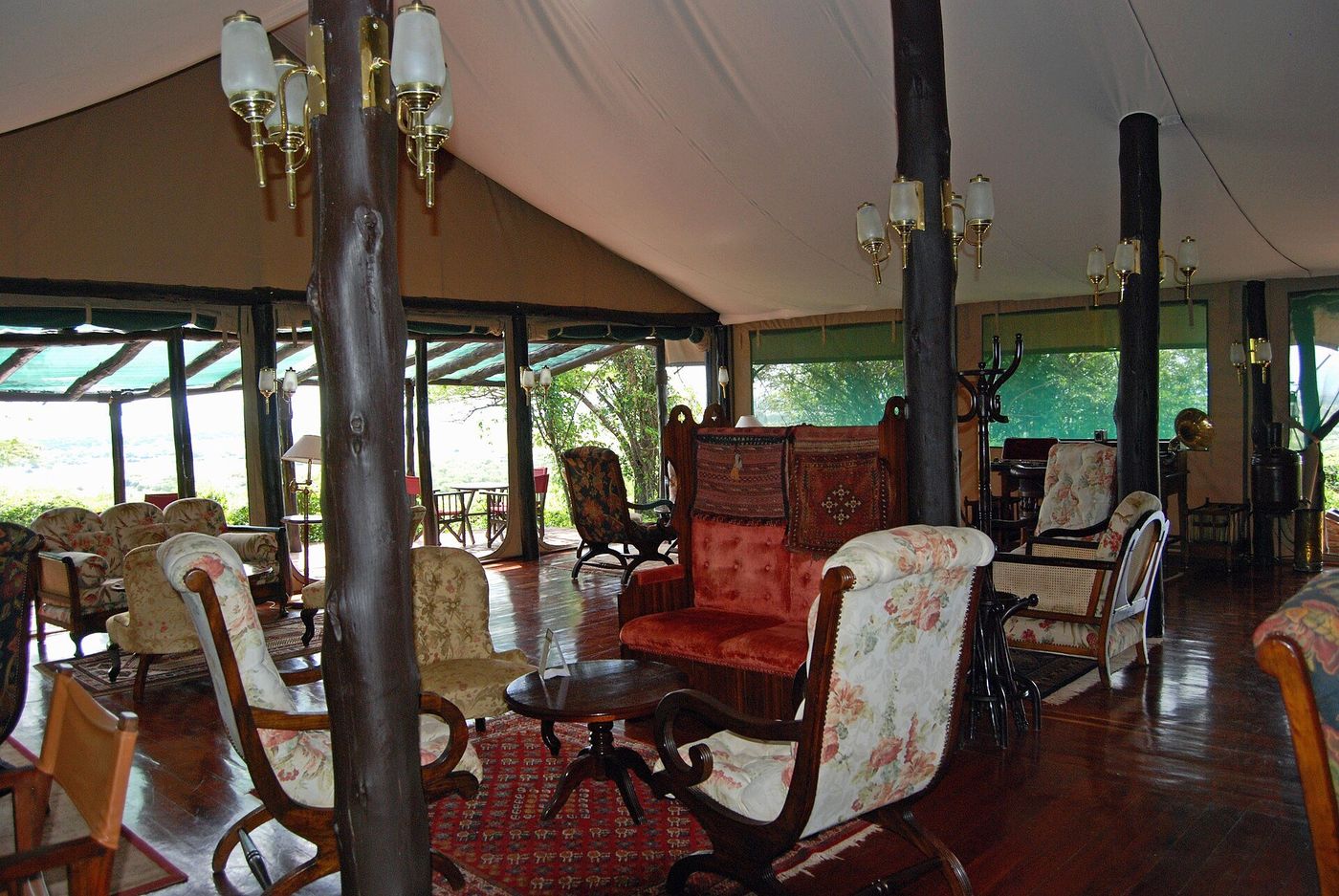
Described by standard, not by name: we do not name a property we have no agreement with. Your written proposal names the actual place, and the photographs here are examples of the standard rather than pictures of it. Power, water, wifi and access for each standard.
- No photograph on fileLodgeTwin, double and family rooms. Ground-floor rooms available at most.
-
Day2 Onto the mountain WhereKilimanjaro OvernightMountain camp Meals BLD
Gate formalities, then the first day's walk through rainforest. Short, humid and deceptively easy.
Where you would sleep this night
Described by standard, not by name: we do not name a property we have no agreement with. Your written proposal names the actual place, and the photographs here are examples of the standard rather than pictures of it. Power, water, wifi and access for each standard.
- No photograph on fileLodgeTwin, double and family rooms. Ground-floor rooms available at most.
-
Day3 Up through the heath WhereKilimanjaro OvernightMountain camp Meals BLD
Out of the forest into moorland. The views open and the air starts to thin.
Where you would sleep this night
Described by standard, not by name: we do not name a property we have no agreement with. Your written proposal names the actual place, and the photographs here are examples of the standard rather than pictures of it. Power, water, wifi and access for each standard.
- No photograph on fileLodgeTwin, double and family rooms. Ground-floor rooms available at most.
-
Day4 Acclimatisation WhereKilimanjaro OvernightMountain camp Meals BLD
Climb high, sleep low — the day that most determines whether you summit. On Lemosho there is a second of these.
Where you would sleep this night
Described by standard, not by name: we do not name a property we have no agreement with. Your written proposal names the actual place, and the photographs here are examples of the standard rather than pictures of it. Power, water, wifi and access for each standard.
- No photograph on fileLodgeTwin, double and family rooms. Ground-floor rooms available at most.
-
Day5 The Barranco Wall and the traverse WhereKilimanjaro OvernightMountain camp Meals BLD
A scramble rather than a climb, then a long traverse under the glaciers.
Where you would sleep this night
Described by standard, not by name: we do not name a property we have no agreement with. Your written proposal names the actual place, and the photographs here are examples of the standard rather than pictures of it. Power, water, wifi and access for each standard.
- No photograph on fileLodgeTwin, double and family rooms. Ground-floor rooms available at most.
-
Day6 To base camp WhereKilimanjaro OvernightMountain camp Meals BLD
A short, steep day to Barafu. Early dinner and an attempt at sleep before a midnight start.
Where you would sleep this night
Described by standard, not by name: we do not name a property we have no agreement with. Your written proposal names the actual place, and the photographs here are examples of the standard rather than pictures of it. Power, water, wifi and access for each standard.
- No photograph on fileLodgeTwin, double and family rooms. Ground-floor rooms available at most.
-
Day7 Summit, then down WhereKilimanjaro OvernightMountain camp Meals BLD
Leave around midnight, Stella Point at dawn, Uhuru Peak after it. Then a descent of more than 2,000 m, which is the part nobody warns you about.
Where you would sleep this night
Described by standard, not by name: we do not name a property we have no agreement with. Your written proposal names the actual place, and the photographs here are examples of the standard rather than pictures of it. Power, water, wifi and access for each standard.
- No photograph on fileLodgeTwin, double and family rooms. Ground-floor rooms available at most.
-
Day8 Off the mountain WhereMoshi OvernightLodge Meals BL
Down to the gate, certificates, and a shower you will remember. Nothing is scheduled.
Where you would sleep this night
Described by standard, not by name: we do not name a property we have no agreement with. Your written proposal names the actual place, and the photographs here are examples of the standard rather than pictures of it. Power, water, wifi and access for each standard.
- No photograph on fileLodgeTwin, double and family rooms. Ground-floor rooms available at most.
-
Day9 Fly to the Serengeti WhereSerengeti OvernightTented camp Meals BLD
A light aircraft from Kilimanjaro, about two hours with a stop. Afternoon drive if your legs allow it, and nobody minds if they do not.
Where you would sleep this night
Described by standard, not by name: we do not name a property we have no agreement with. Your written proposal names the actual place, and the photographs here are examples of the standard rather than pictures of it. Power, water, wifi and access for each standard.
- No photograph on fileLodgeTwin, double and family rooms. Ground-floor rooms available at most.
-
Day10 Serengeti and home WhereSerengeti → Kilimanjaro Overnight— Meals B
A morning drive or a balloon flight, then the flight out. Most people add nights here and we would too.

The places this journey goes
One photograph for each place on the route, in the order you reach them.
These are licensed photographs of the places themselves, credited on our photography credits page. They are not photographs of a Montero departure, vehicle or camp — we have not run this journey yet, and a gallery that implied otherwise would be worth nothing to you.
Where you would stay
Open any of these for rooms, power hours, hot water, Wi-Fi and the honest access position.
What it costs
Price on request — the climb and the safari are quoted as separate lines. No price on this site has been approved, and nothing here is a quotation.
No price is published for this journey. It is quoted on your dates, the size of your party, how much of it you fly, and the standard of camp — and those four move the figure by a very large margin. Rather than print a range nobody has stood behind, we will build you a written, itemised quotation. It is free, and it is not a booking.
All quotations are per person sharing, in US dollars, and exclude international flights. A single traveller pays more and a larger group pays less per head. See what it costs for where the money actually goes.
What moves the price: season, how many of you there are, whether you fly or drive the long sectors, and the standard of camp. A single traveller pays more; we will say how much before you ask twice.
Access and comfort
Each line is either confirmed by our own measurement or it is not. “On request” means we will plan and cost it and nobody has measured it yet.
| Provision | Status | Detail |
|---|---|---|
| Summit routes | Not offered | Machame and Lemosho are not accessible by any definition. We will not find a form of words for this. |
| Mountain camps | Not offered | Tents on uneven ground at altitude, with no plumbing. |
| The safari half alone | On request | If the climb is not for you, the Serengeti half runs on its own and we will build it. |
| Light-aircraft boarding | Partial | Ladder or wing step; manual assistance. |
| Medical conditions | On request | Declare everything at the enquiry stage. Altitude interacts badly with several conditions and medications, and the mountain operator will ask too. |
We do not ask for a diagnosis — only for what you need. How we plan accessible journeys.
The detail
What is covered, what it involves on the ground, and the changes people most often ask for. Open whichever you need.
What is included, and what is not
Included
Private 4×4 safari vehicle with a pop-up roof and a professional English-speaking driver-guide, for your party alone
Accommodation as described, on a full-board basis
All park, conservation and concession fees
Airport and airstrip transfers, met at the aircraft rather than at the kerb
Bottled drinking water in the vehicle
24-hour local support while you are in the country
The climb, operated by a contracted specialist mountain operator with its own crew
Park gate and rescue fees, camping fees and crew wages
Light-aircraft sector from Kilimanjaro to the Serengeti
A rest day between the mountain and the safari
Not included
Personal trekking equipment and hire
Crew tips, which are substantial and customary and we will tell you the range
Balloon flight on the final morning
International flights, visas and travel insurance
Tips, premium drinks and personal expenses
Optional activities such as a balloon flight, unless listed above
Emergency medical evacuation cover — strongly recommended, and not something we currently provide
Practical detail
| We do not operate the climb | Montero does not run summit climbs. This journey is operated with a contracted specialist mountain operator who holds the licences, employs the crew and carries the rescue arrangements. We handle the booking, the safari and everything between. |
|---|---|
| Altitude | Uhuru Peak is 5,895 m. Altitude sickness is the main reason people do not summit and in rare cases it is fatal. Routes with better acclimatisation profiles cost more and succeed more often. |
| Success rates | Vary by route and by operator, and the figures published online are mostly marketing. We will ask the operator for theirs in writing before you book. |
| Crew welfare | Porter loads, pay, shelter and food are a real issue on this mountain. |
| Price | Not set, and the two halves are quoted on separate lines so you can see each. |
Ways to personalise this journey
The changes people actually ask for, with what each one does to the shape of the trip. Prices for these are quoted in your proposal, not here.
This itinerary is a draft. It is written to real logistics but has not yet been checked by a guide who works this circuit, and no price here has been approved. Treat every figure as indicative until we confirm it in writing.
Questions about this journey
Does Montero run the climb itself?
No. We do not operate summit climbs and we are not going to claim we do. The climb is run by a contracted specialist mountain operator with its own crew and rescue arrangements; we arrange it, handle the safari and own the whole itinerary commercially. If you would rather book the climb directly with a specialist, we will tell you what to ask them.
What are my chances of summiting?
Route, fitness and acclimatisation decide it. Seven and eight-day routes do far better than five-day ones. We will give you the operator's real figures rather than a number off a website.
Can I do the safari if I do not summit?
Yes, and people do. The safari half is booked independently and is not conditional on reaching the top.
If this one is not quite it
Journeys that share a region or a style with this one, and the background reading for the places on the route.

Tell us what you have in mind.
One conversation with the person who would plan it, and an honest answer about whether we are the right company for the trip.
Free, and with no obligation. A real planner replies within 24 business hours, East Africa Time. No payment is taken to enquire.