


Culture
Ethical Indigenous Encounter
Time with Datoga and Hadzabe communities on terms the communities set, at an agreed fee that is published to you. If a community would rather not receive visitors in your week, that is the end of it and we will say so.
About this journey
Time with Datoga and Hadzabe communities around Lake Eyasi, on terms the communities set, at a fee that is published to you. If a community would rather not receive visitors in your week, that is the end of it and we will say so.
Best months. June to October. The Eyasi road is poor and in the rains it can be impassable.
Pace. Moderate. Uneven ground, early mornings, and some walking.
Who this journey suits
You are interested in how people actually live, not in a performance of how they used to.
You can accept being told no — to a photograph, to a visit, to a question.
You would rather pay a published fee than haggle at the door.
You are combining this with the northern parks, which are an hour or two away.
Highlights
- Datoga metalworking, where the arrowheads for the Hadzabe are made
- A morning with Hadzabe hunters, on their schedule rather than yours
- Karatu’s highland smallholdings — coffee, maize and the Iraqw farming terraces
- A fee structure you see before you travel, so you know what reaches the community
- Photography rules agreed in advance, in the community’s terms
Route
| Stop | Nights | Why |
|---|---|---|
| Karatu | 1 night | Highland farming country, and the staging point for Eyasi. |
| Lake Eyasi | 2 nights | The lake shore, the Datoga and the Hadzabe. |
How the journey flows
Every point below is a real place at its real coordinates. The coastline is simplified — this is a route diagram, not a survey map.
- Private 4×4
Boundaries and protected areas are OpenStreetMap data, stored with this site. The dashed line is the order of the route, not the road taken.
In order
- Kilimanjaro Airport (JRO)Arrive
- KaratuPrivate 4×4
- Lake EyasiPrivate 4×4
- Kilimanjaro Airport (JRO)Private 4×4
Day by day
A starting point. Every day here can be moved, shortened or removed — open one to read what it holds.
-
Day1 Arrive and up to Karatu WhereKaratu OvernightLodge or farm guesthouse Meals D
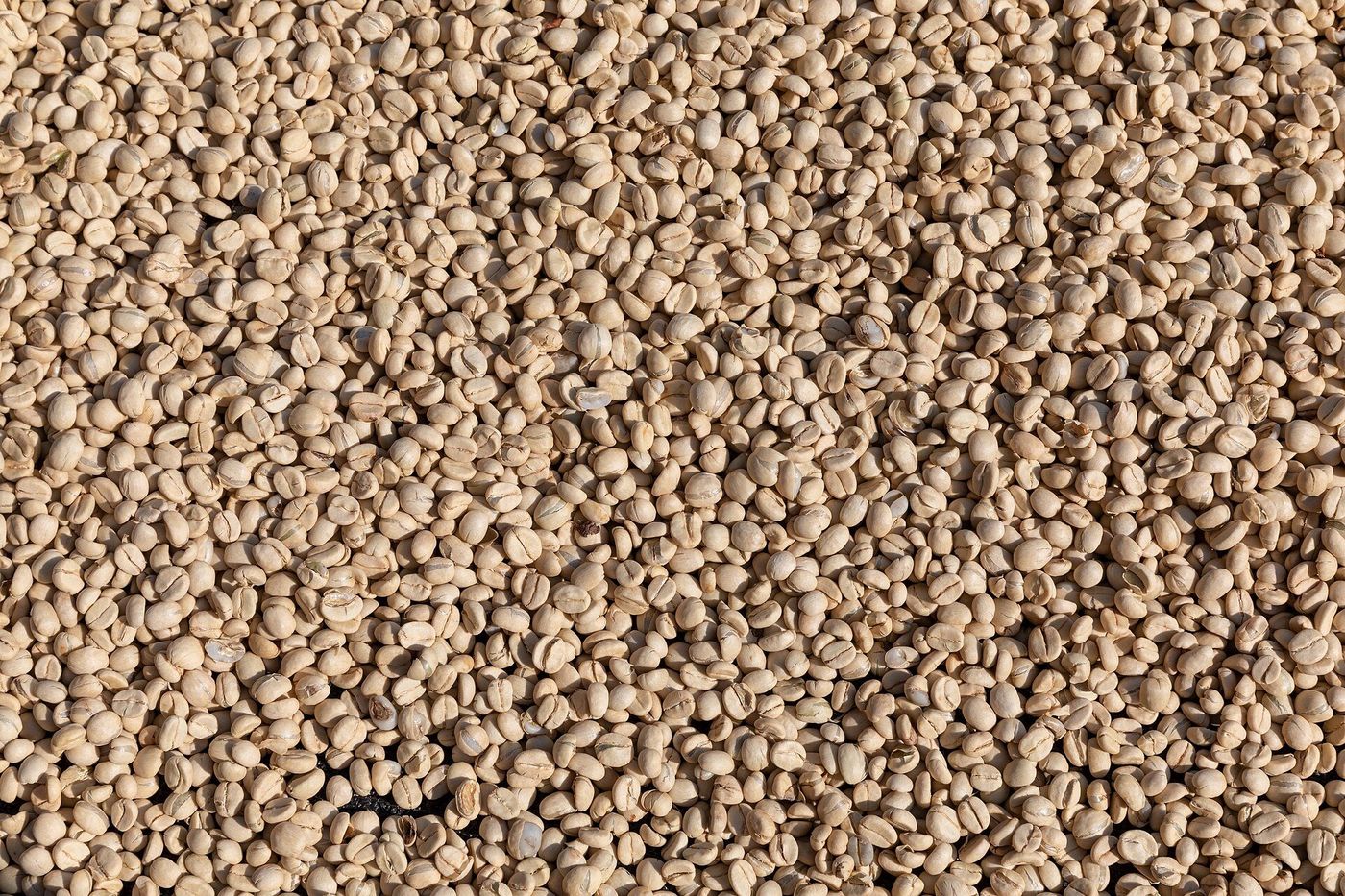
Met at Kilimanjaro and about four hours west, with stops. Karatu is highland farming country at 1,500 m, green and cool, and nothing like the pictures of Tanzania you have seen.
Where you would sleep this night
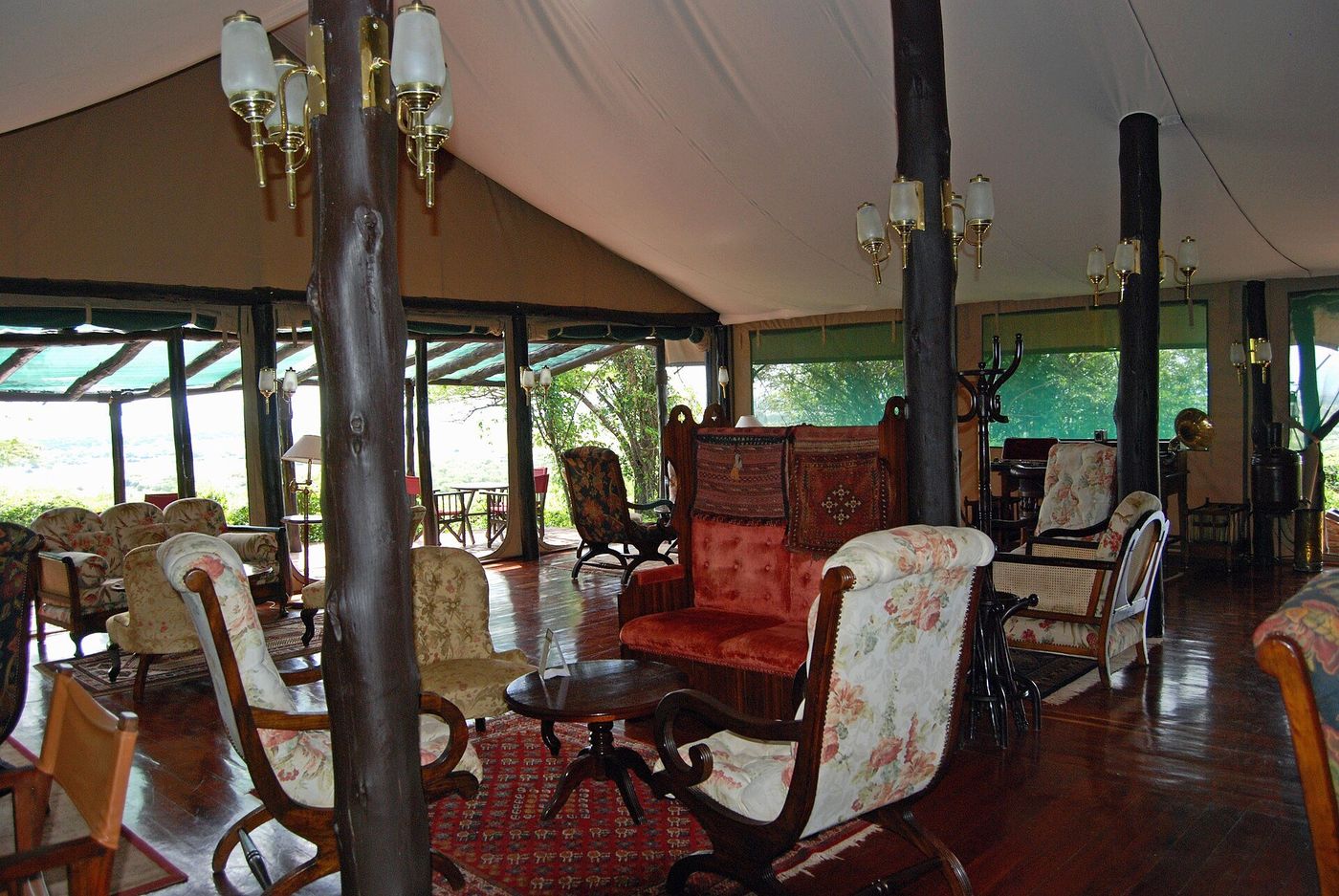
Described by standard, not by name: we do not name a property we have no agreement with. Your written proposal names the actual place, and the photographs here are examples of the standard rather than pictures of it. Power, water, wifi and access for each standard.
-
Day2 Farms, then down to Eyasi WhereLake Eyasi OvernightTented camp or simple lodge Meals BLD
A morning on the smallholdings — coffee, maize, the Iraqw terraces — then down the escarpment to Eyasi, about two hours on a poor road. The lake is a soda pan that shrinks to nothing in a dry year.
Where you would sleep this night
Described by standard, not by name: we do not name a property we have no agreement with. Your written proposal names the actual place, and the photographs here are examples of the standard rather than pictures of it. Power, water, wifi and access for each standard.
-
Day3 Datoga and Hadzabe WhereLake Eyasi OvernightTented camp or simple lodge Meals BLD
Early with the Hadzabe, because that is when they hunt and gather, not because it suits an itinerary. Later, the Datoga: pastoralists and metalworkers, who make the arrowheads. Both visits are on agreed terms, with an agreed fee, and either can be declined by the community on the day.
Where you would sleep this night
Described by standard, not by name: we do not name a property we have no agreement with. Your written proposal names the actual place, and the photographs here are examples of the standard rather than pictures of it. Power, water, wifi and access for each standard.
-
Day4 Home WhereLake Eyasi → Kilimanjaro Overnight— Meals BL
Back up the escarpment and east, about five hours with stops. Or on into the crater and the parks, which is what most people do.


The places this journey goes
One photograph for each place on the route, in the order you reach them.
These are licensed photographs of the places themselves, credited on our photography credits page. They are not photographs of a Montero departure, vehicle or camp — we have not run this journey yet, and a gallery that implied otherwise would be worth nothing to you.
Where you would stay
Open any of these for rooms, power hours, hot water, Wi-Fi and the honest access position.
The cultural part, in detail
On terms the community sets, at a fee published to you, with the right to say no.
- Who
- Datoga and Hadzabe around Lake Eyasi, and Iraqw farming families in the Karatu highlands.
- Where
- Lake Eyasi, a soda pan on the Rift floor about two hours below Karatu on a poor road.
- What you do
- A morning accompanying Hadzabe hunters, on their schedule rather than yours. Datoga metalworking at a bellows forge, where the arrowheads for that hunt are made. Iraqw terraces, and the irrigation furrows that make them work.
- Guides
- A local translator at every visit, alongside the community’s own people. Our guides are briefed to name peoples correctly — Datoga, Hadzabe, Iraqw, Maasai — and never as “tribes”.
- Why it matters
- These are among the last hunter-gatherer and pastoralist communities in East Africa, on land under continuous pressure. They are not a performance.
What we will not do
| Photography on demand | The rules are the community’s, issued to you in writing before you travel, and they are not suggestions. Usually: ask every time, never photograph children without a parent present, and accept no for an answer. |
|---|---|
| A guaranteed visit | A community can decline on the day, and sometimes does. That is the arrangement working rather than failing. We move the day or refund that element. |
| Staged ceremonies | We do not commission dances, dress or rituals for visitors. If you are hoping for a costume, this is not the journey, and we would rather you knew now. |
| An ethical guarantee | We can tell you our terms: set by the community, fee published to you with the recipient named, their photography rules, their right to refuse. We cannot tell you the wider industry around Lake Eyasi is clean, because it is not. |
What it costs
Indicative $4,500 – $7,200 per person sharing, by season and standard. No price on this site has been approved, and nothing here is a quotation.
| Season | 1 | 2 | 3–4 | 5–6 | 7+ |
|---|---|---|---|---|---|
| PeakJuly – October, 20 Dec – 3 Jan | On request | On request | On request | On request | On request |
| ShoulderJanuary – February, June | On request | $4,500indicative | On request | On request | On request |
| GreenMarch – May, November | On request | On request | On request | On request | On request |
Per person sharing, US dollars, two people unless stated. Excludes international flights. A single traveller pays more and a larger group pays less per head — we will tell you how much before you ask twice. No figure here has been approved: see what it costs.
What moves the price: season, how many of you there are, whether you fly or drive the long sectors, and the standard of camp. A single traveller pays more; we will say how much before you ask twice.
Access and comfort
Each line is either confirmed by our own measurement or it is not. “On request” means we will plan and cost it and nobody has measured it yet.
| Provision | Status | Detail |
|---|---|---|
| Ground conditions | On request | Uneven, sandy, rocky, and not level anywhere around Eyasi. Tell us what you need and we will say honestly what is possible. |
| Step-free camps at Eyasi | Not offered | We know of none we could confirm. The area has very basic infrastructure. |
| Seated participation | Partial | Much of the Datoga visit can be done seated. A Hadzabe morning involves walking on rough ground and cannot be. |
| Hoist-fitted vehicle | On request | On request. The Eyasi road is hard on any vehicle and we would discuss it honestly. |
| Shorter days | On request | Easily arranged. The driving, not the visits, is what makes this journey tiring. |
We do not ask for a diagnosis — only for what you need. How we plan accessible journeys.
The detail
What is covered, what it involves on the ground, and the changes people most often ask for. Open whichever you need.
What is included, and what is not
Included
Private 4×4 safari vehicle with a pop-up roof and a professional English-speaking driver-guide, for your party alone
Accommodation as described, on a full-board basis
All park, conservation and concession fees
Airport and airstrip transfers, met at the aircraft rather than at the kerb
Bottled drinking water in the vehicle
24-hour local support while you are in the country
All community fees, itemised in your proposal so you can see what is paid and to whom
A local translator for every community visit
The photography and conduct briefing, in writing, before you travel
Not included
Crafts and goods bought directly from community members
Additional photography fees where a community charges separately
International flights, visas and travel insurance
Tips, premium drinks and personal expenses
Optional activities such as a balloon flight, unless listed above
Emergency medical evacuation cover — strongly recommended, and not something we currently provide
Practical detail
| Consent and conduct | Written rules, agreed with the communities, issued before you travel: what may be photographed, what may not, what to ask and what not to. They are not suggestions. |
|---|---|
| Fees | Published to you in the proposal, with the amount and the recipient named. Guide section 10: community-led, consent, fair pay, photography rules stated. |
| Naming peoples correctly | Datoga, Hadzabe, Iraqw, Maasai. Not “tribes” and not a spectacle. Our guides are told this and so are you. |
| The road | The Eyasi road is poor and in the rains it can be impassable. In a wet week we will change the journey rather than attempt it. |
| A community may decline | Sometimes a community does not want visitors that week. That is the arrangement working, not failing. We would move the day or refund that element. |
Ways to personalise this journey
The changes people actually ask for, with what each one does to the shape of the trip. Prices for these are quoted in your proposal, not here.
This itinerary is a draft. It is written to real logistics but has not yet been checked by a guide who works this circuit, and no price here has been approved. Treat every figure as indicative until we confirm it in writing.
Questions about this journey
Is this not exploitative?
It can be, and plenty of versions of it are. What we can control is that the terms are the community’s, the fee is agreed and published to you, the photography rules are theirs, and a community can say no on the day without us pressing. What we cannot control is the wider industry around Eyasi, which has a poor reputation for a reason.
Will the Hadzabe be in traditional dress?
They will be wearing what they are wearing. If you are hoping for a costume, this is not the journey, and we would rather you knew that now.
Can I take photographs?
Within the rules agreed in advance, which usually means asking each time, not photographing children without a parent present, and accepting no. Your written brief sets it out.
How much of the fee reaches the community?
The community fee is itemised in your proposal with the recipient named, so you can see it.
Is it worth doing at all?
That is a fair question and the answer is not obviously yes. Some travellers decide, having read the brief, that they would rather not. We would far rather that than a visit nobody was comfortable with.
If this one is not quite it
Journeys that share a region or a style with this one, and the background reading for the places on the route.

Tell us what you have in mind.
One conversation with the person who would plan it, and an honest answer about whether we are the right company for the trip.
Free, and with no obligation. A real planner replies within 24 business hours, East Africa Time. No payment is taken to enquire.