


Heritage
Heritage & Freedom Trail
Stone Town and Bagamoyo, read as the two ends of the East African slave route that they are. Guided by people who work with the museums, and written to inform rather than to entertain.
About this journey
Stone Town and Bagamoyo, read as the two ends of the East African slave route that they are. Guided by people who work with the museums, and written to inform rather than to entertain.
Best months. Year round. June to October and December to February are driest; the long rains in April and May make the Bagamoyo road slow.
Pace. Moderate walking on uneven historic ground. Short days, with rests built in.
Who this journey suits
You want to understand the coast rather than lie on it.
You would rather have a historian than a tour guide.
You are prepared for a difficult subject to be handled as a difficult subject.
You are combining this with a safari or a beach stay and want three days that mean something.
Highlights
- The former slave market site in Stone Town, and the Anglican cathedral built over it
- Bagamoyo’s caravan terminus, the old fort and the mission at the other end of the route
- Interpretation drawn from the museums’ own published material rather than from folklore
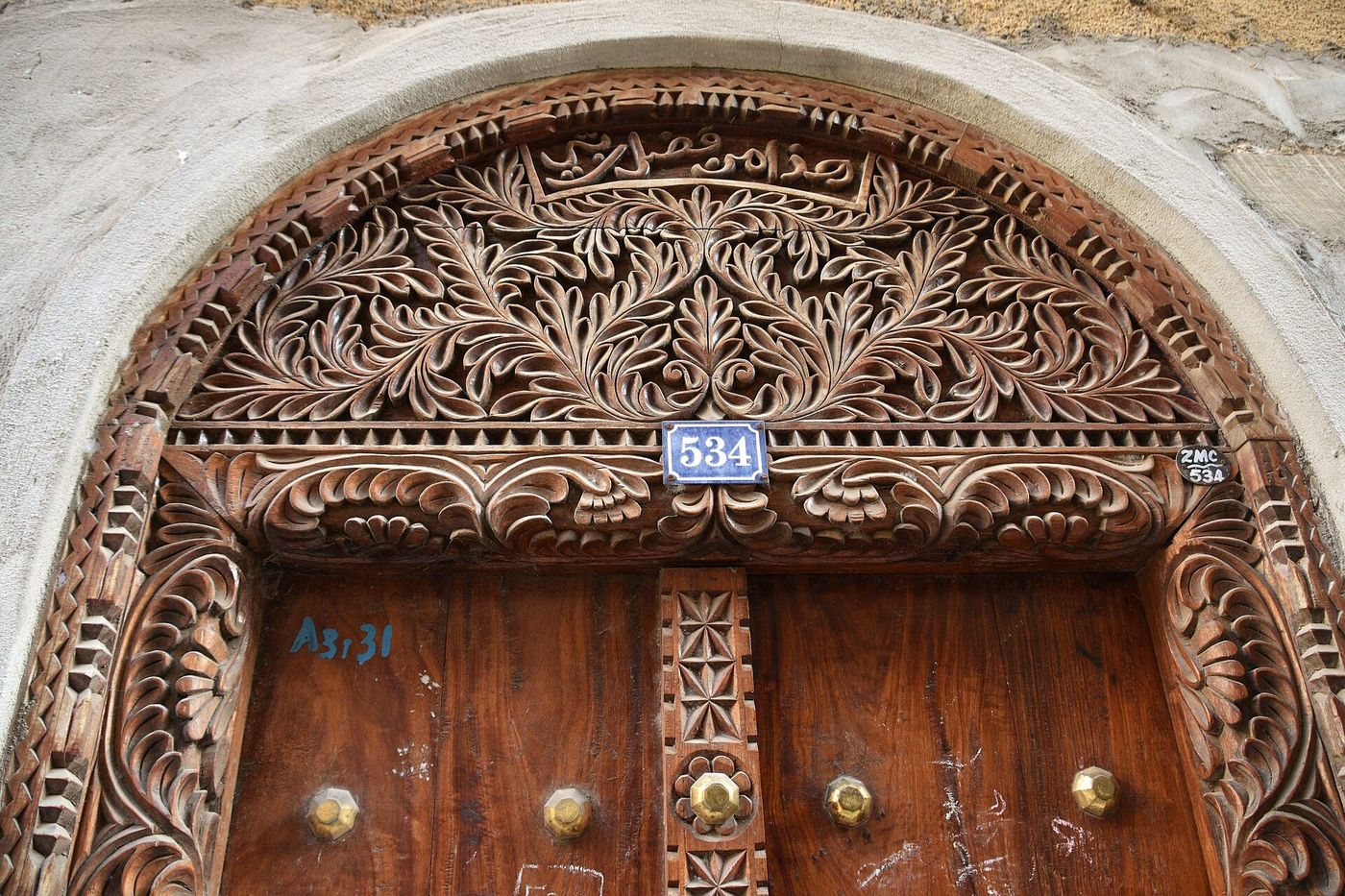
- Carved doors, coral-stone merchant houses and the layered history of the old town
- A short, slow itinerary that leaves room to stop when you need to
Route
| Stop | Nights | Why |
|---|---|---|
| Stone Town | 2 nights | The market site, the cathedral, the house museums and the old town. |
| Bagamoyo | 1 night | The caravan terminus, the fort, the mission and the cemetery. |
How the journey flows
Every point below is a real place at its real coordinates. The coastline is simplified — this is a route diagram, not a survey map.
- Private 4×4
- Boat
Boundaries and protected areas are OpenStreetMap data, stored with this site. The dashed line is the order of the route, not the road taken.
In order
- Zanzibar (ZNZ)Arrive
- Stone TownPrivate 4×4
- Dar es Salaam (DAR)Boat
- BagamoyoPrivate 4×4
Day by day
A starting point. Every day here can be moved, shortened or removed — open one to read what it holds.
-
Day1 Arrive in Stone Town WhereStone Town OvernightSmall hotel in the old town Meals D
Met at the airport or the ferry and walked to the hotel — most of the old town is closed to vehicles, which is part of what has preserved it. Nothing is scheduled on the first evening.
Where you would sleep this night
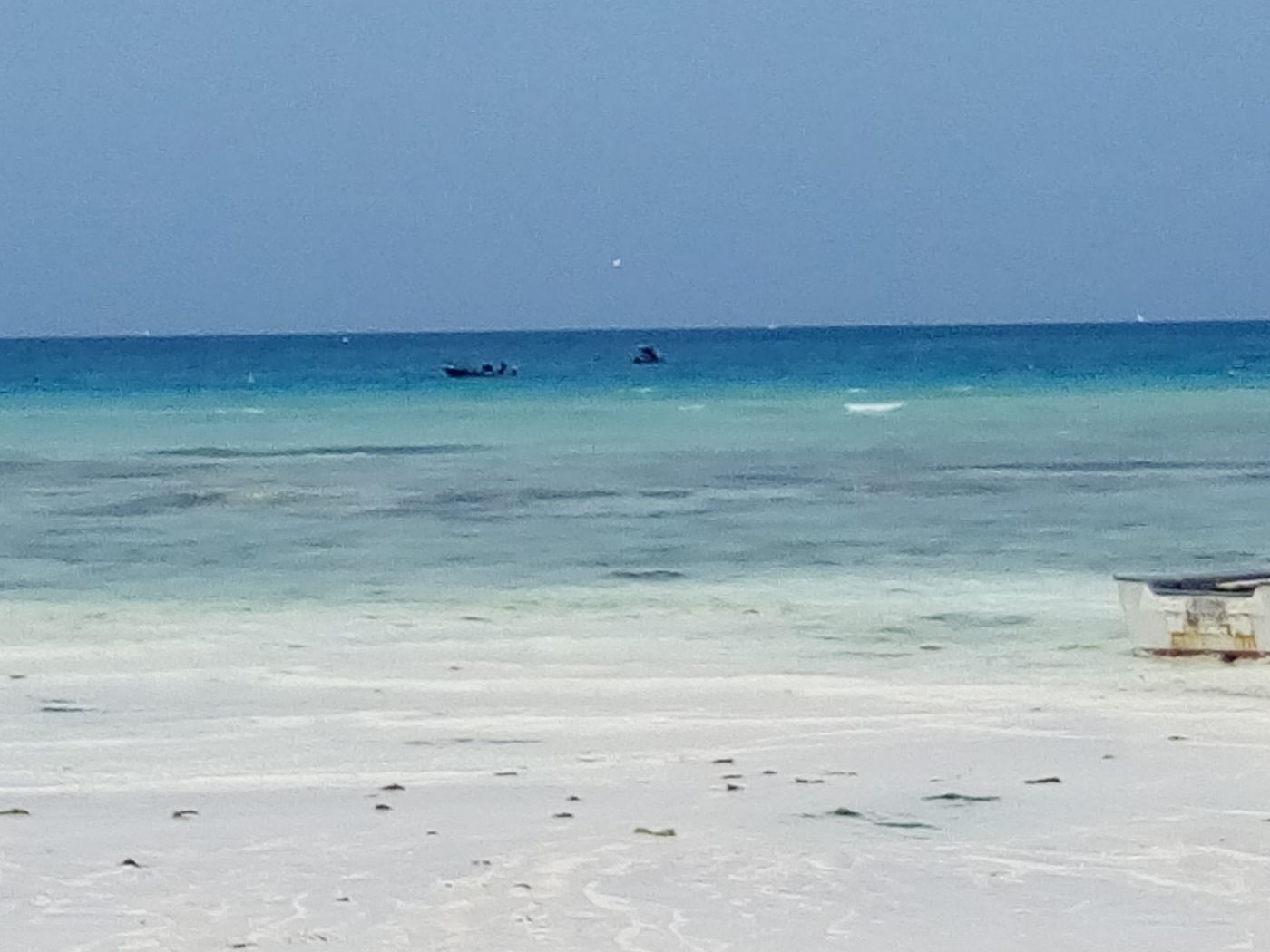
Described by standard, not by name: we do not name a property we have no agreement with. Your written proposal names the actual place, and the photographs here are examples of the standard rather than pictures of it. Power, water, wifi and access for each standard.
-
Day2 The market site and the old town WhereStone Town OvernightSmall hotel in the old town Meals BL
A guided morning: the former slave market site and the memorial, the cathedral built deliberately on it, and the underground chambers. This is a hard two hours and we schedule the afternoon loose on purpose. The old town, the carved doors and a house museum in the late afternoon.
Where you would sleep this night
Described by standard, not by name: we do not name a property we have no agreement with. Your written proposal names the actual place, and the photographs here are examples of the standard rather than pictures of it. Power, water, wifi and access for each standard.
-
Day3 Cross to Bagamoyo WhereBagamoyo OvernightSmall coastal hotel Meals BLD
Ferry to Dar es Salaam and north by road, about two hours depending on the traffic out of the city. Bagamoyo was the mainland terminus of the caravan routes and the port the captives were shipped from; the afternoon is the old town, the fort and the customs house.
Where you would sleep this night
Described by standard, not by name: we do not name a property we have no agreement with. Your written proposal names the actual place, and the photographs here are examples of the standard rather than pictures of it. Power, water, wifi and access for each standard.
-
Day4 The mission, then home WhereBagamoyo → Dar es Salaam Overnight— Meals B
The mission, its museum and the cemetery in the morning — the other half of the nineteenth-century story, and not a comfortable one either. Back to Dar es Salaam for an afternoon or evening departure.


The places this journey goes
One photograph for each place on the route, in the order you reach them.
These are licensed photographs of the places themselves, credited on our photography credits page. They are not photographs of a Montero departure, vehicle or camp — we have not run this journey yet, and a gallery that implied otherwise would be worth nothing to you.
Where you would stay
Open any of these for rooms, power hours, hot water, Wi-Fi and the honest access position.
The cultural part, in detail
On terms the community sets, at a fee published to you, with the right to say no.
- Who
- The museums and memorial trusts of Stone Town and Bagamoyo.
- Where
- Stone Town on Zanzibar and Bagamoyo on the mainland coast — the two ends of the East African slave route.
- What you do
- The former slave market site and its memorial, the cathedral built deliberately over it, the underground chambers, then the Bagamoyo caravan terminus, the fort, the mission and the cemetery.
- Guides
- Specialist guides who work with the museums. Interpretation follows the museums’ own published material, and where accounts differ our guides say so rather than picking the better story.
- Why it matters
- These are memorials, not attractions. We schedule the rest of that day loosely because people need it.
What we will not do
| Photography on demand | The rules are the community’s, issued to you in writing before you travel, and they are not suggestions. Usually: ask every time, never photograph children without a parent present, and accept no for an answer. |
|---|---|
| A guaranteed visit | A community can decline on the day, and sometimes does. That is the arrangement working rather than failing. We move the day or refund that element. |
| Staged ceremonies | We do not commission dances, dress or rituals for visitors. If you are hoping for a costume, this is not the journey, and we would rather you knew now. |
| An ethical guarantee | We can tell you our terms: set by the community, fee published to you with the recipient named, their photography rules, their right to refuse. We cannot tell you the wider industry around Lake Eyasi is clean, because it is not. |
What it costs
Indicative $3,500 – $5,800 per person sharing, by season and standard. No price on this site has been approved, and nothing here is a quotation.
| Season | 1 | 2 | 3–4 | 5–6 | 7+ |
|---|---|---|---|---|---|
| PeakJuly – October, 20 Dec – 3 Jan | On request | On request | On request | On request | On request |
| ShoulderJanuary – February, June, November | On request | $3,500indicative | On request | On request | On request |
| GreenMarch – May (long rains — we will say if it is a bad week) | On request | On request | On request | On request | On request |
Per person sharing, US dollars, two people unless stated. Excludes international flights. A single traveller pays more and a larger group pays less per head — we will tell you how much before you ask twice. No figure here has been approved: see what it costs.
What moves the price: season, how many of you there are, whether you fly or drive the long sectors, and the standard of camp. A single traveller pays more; we will say how much before you ask twice.
Access and comfort
Each line is either confirmed by our own measurement or it is not. “On request” means we will plan and cost it and nobody has measured it yet.
| Provision | Status | Detail |
|---|---|---|
| Stone Town on wheels | Partial | Some lanes are passable and many are not: narrow, uneven coral stone, with steps and thresholds. We will map a route and tell you where it ends. |
| Step-free historic hotels | Not offered | We know of none in the old town we could confirm. The buildings are three and four storeys with no lifts. |
| Museum access | Partial | Varies by site. The underground chambers at the market site are reached by steps and are not step-free. |
| Seated interpretation | On request | We can run the whole itinerary with far more sitting and far less walking. Ask, and we will rebuild it. |
| Quiet or text-based guiding | On request | A written brief instead of a spoken tour, or both. We would rather you asked than struggled. |
We do not ask for a diagnosis — only for what you need. How we plan accessible journeys.
The detail
What is covered, what it involves on the ground, and the changes people most often ask for. Open whichever you need.
What is included, and what is not
Included
Private 4×4 safari vehicle with a pop-up roof and a professional English-speaking driver-guide, for your party alone
Accommodation as described, on a full-board basis
All park, conservation and concession fees
Airport and airstrip transfers, met at the aircraft rather than at the kerb
Bottled drinking water in the vehicle
24-hour local support while you are in the country
Guided interpretation at every site, with a specialist guide
All museum and site entry fees
Ferry Zanzibar to Dar es Salaam, and road transfers
Not included
Photography permits where a site charges separately
International flights, visas and travel insurance
Tips, premium drinks and personal expenses
Optional activities such as a balloon flight, unless listed above
Emergency medical evacuation cover — strongly recommended, and not something we currently provide
Practical detail
| The subject matter | This journey is about enslavement. The sites are memorials, not attractions, and the guiding reflects that. If you are travelling with children, tell us their ages and we will adjust what is said where. |
|---|---|
| Sources | Interpretation follows the museums’ own published material. Where accounts differ, our guides say so rather than picking the better story. |
| Photography | Permitted at most sites and restricted at some, particularly inside the memorial chambers. Your guide will say where. |
| Dress | Covered shoulders and knees throughout. This is a conservative Muslim town and the sites are places of memory. |
| Ground conditions | Coral stone, uneven, often wet underfoot in the rains. Sensible shoes matter more here than on safari. |
Ways to personalise this journey
The changes people actually ask for, with what each one does to the shape of the trip. Prices for these are quoted in your proposal, not here.
This itinerary is a draft. It is written to real logistics but has not yet been checked by a guide who works this circuit, and no price here has been approved. Treat every figure as indicative until we confirm it in writing.
Questions about this journey
Is this an appropriate thing to visit?
The museums and memorials exist because the people who run them want the history known. Visiting respectfully, with a guide, paying the entry fee, is supporting that. Treating it as a photo stop is not, and our guides will say so.
How difficult is it, emotionally?
Difficult. The underground chambers at the Stone Town site in particular. We schedule the rest of that day loosely for a reason, and nobody is obliged to go into any room.
Can children come?
Yes, and tell us their ages. We adjust what is described where. Below about ten we would normally leave the chambers out.
Do we need three nights?
Two would cover the sites and leave no room to absorb them. Four is better than three if you can.
If this one is not quite it
Journeys that share a region or a style with this one, and the background reading for the places on the route.

Tell us what you have in mind.
One conversation with the person who would plan it, and an honest answer about whether we are the right company for the trip.
Free, and with no obligation. A real planner replies within 24 business hours, East Africa Time. No payment is taken to enquire.